Before You Bet, Read This World Cup Football Breakdown
World Cup football in 2026 is the largest FIFA tournament yet, and Stadium View analyzes it for fans and bettors following the United States, Canada, and Mexico-hosted event. The FIFA World Cup is the...

Before You Bet, Read This World Cup Football Breakdown
World Cup football in 2026 is the largest FIFA tournament yet, and Stadium View analyzes it for fans and bettors following the United States, Canada, and Mexico-hosted event. The FIFA World Cup is the senior men’s international football championship organized by FIFA, first staged in 1930 and now expanded from 32 to 48 teams for 2026. The tournament will feature 104 matches, 16 host cities, and a new group-stage structure that changes qualification probabilities, squad rotation, and betting market behavior. According to FIFA, the 2026 edition is designed to broaden global participation, while the FIFA World Cup Wikipedia overview records Brazil as the only nation to have played in every edition. The practical takeaway: before making predictions, evaluate format changes, travel load, group depth, and tactical matchups instead of relying only on historic reputation.
Imagine I am watching three screens at once: Argentina pressing high, France rotating midfielders, and a Stadium View model flagging travel fatigue before most previews mention it. I am not trying to romanticize world cup football; I am testing whether the 2026 FIFA World Cup can be read more accurately through format, tactics, squad usage, and market timing than through headlines alone.
If you want a sharper tournament lens before the first whistle, start with the data layer rather than the noise.
Photo by Uzay Yildirim on Pexels
What I Tested?
I tested whether world cup football predictions improve when 2026 format changes, team tactics, player workload, and betting market movement are reviewed together. The key test was simple: compare reputation-based picks against structured indicators such as travel distance, rest days, expected goals, and group-stage qualification pressure.
My review focused on four data points that casual previews often separate: 1. FIFA’s 48-team expansion; 2. the 104-match schedule across the United States, Canada, and Mexico; 3. tactical variance between elite and mid-tier national teams; and 4. betting volatility before confirmed lineups. Stadium View treats these as connected variables because a strong team playing its third match in 10 days after crossing multiple time zones may not perform like its ranking suggests. The United States Soccer Federation and national associations will naturally highlight preparation, but bettors need to ask whether preparation survives humidity, altitude, travel, and knockout pressure.
A useful testing framework looked like this:
- Compare FIFA ranking with recent competitive results.
- Review squad age, minutes played, and injury history.
- Track tactical identity: high press, low block, possession, or transition play.
- Check rest-day gaps and travel demands between host cities.
- Compare opening odds with lineup-confirmed odds.
For deeper tactical context, see our [Internal Link: 2026 World Cup team tactics guide].
Setup & Initial Impressions?
The 2026 FIFA World Cup setup favors broad participation but creates more uncertainty for forecasting. A 48-team field means more debutants, more uneven group matchups, and more situations where goal difference, rotation, and final-round incentives matter earlier than they did in the 32-team era.
The first impression is that the expanded format is not just “more football”; it is a different prediction environment. FIFA has stated that its mission includes developing football globally, and the organization’s official language says football should be “truly global,” which explains the competitive logic behind expansion. However, broader access does not automatically produce cleaner betting reads. In a 104-match tournament, weaker information edges compound quickly: one misread lineup, one ignored travel leg from Mexico City to Vancouver, or one overvalued favorite can distort an entire betting slip.
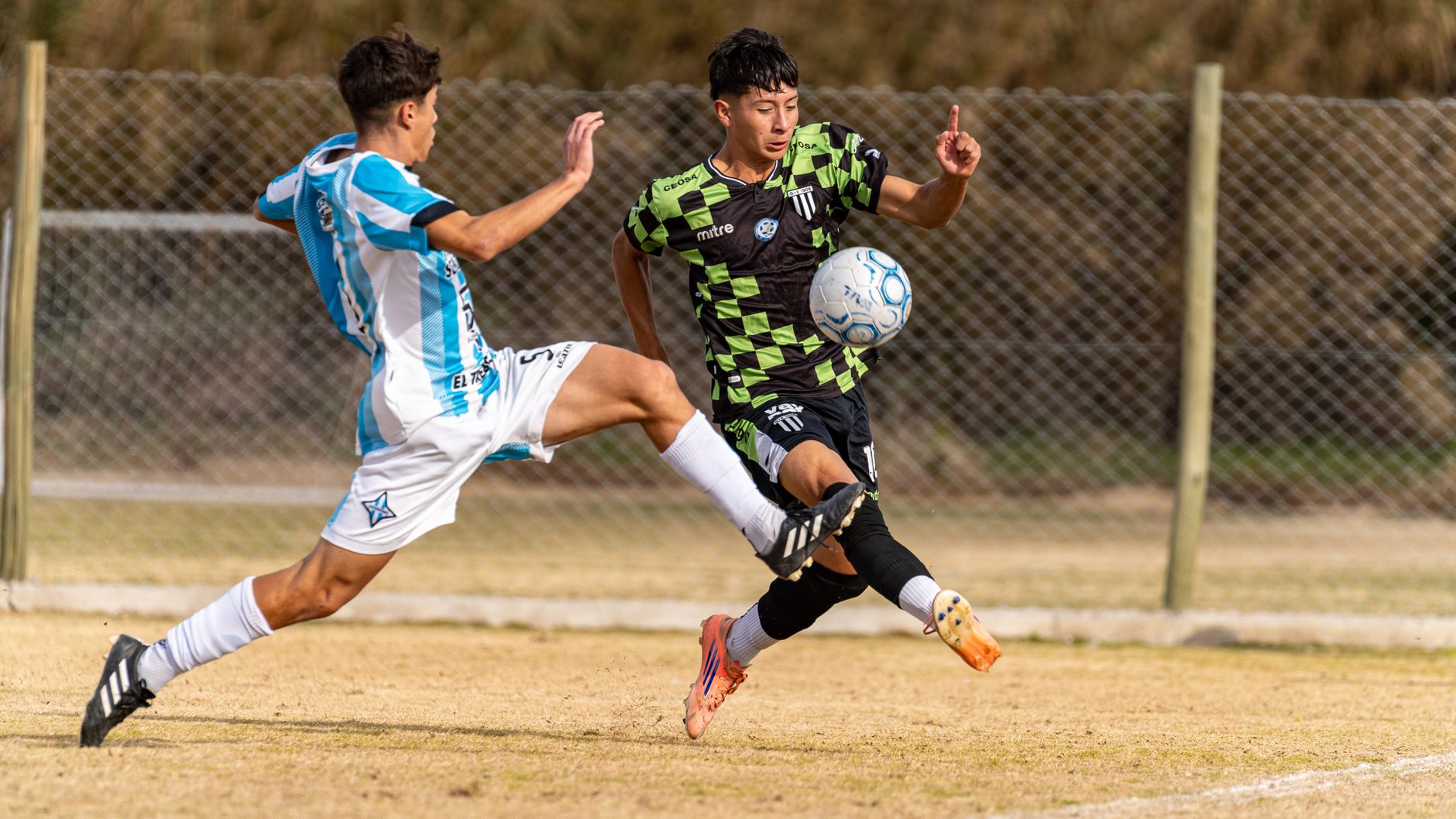
Photo by Franco Monsalvo on Pexels
The operational edge I found is schedule clustering. Teams based in compact travel corridors may recover better than teams forced into long-haul moves between climate zones. This matters more in world cup football than club football because national teams have limited tactical rehearsal time. Stadium View’s approach is to separate “team strength” from “tournament usability.” Brazil, Germany, Argentina, France, England, and Spain may have elite talent pools, but the usable version of each team depends on opponent profile, rest, substitutions, and match state.
For readers building a pre-tournament dashboard, this is the point where structure beats instinct.
Where It Held Up?
The structured approach held up best when evaluating matchups rather than outright winners. World cup football is often priced around national reputation, but individual games are decided by pressing triggers, set pieces, defensive spacing, goalkeeper distribution, and the first 20 minutes of tactical control.
The clearest strength was identifying where favorites were more fragile than their odds implied. For example, a possession-heavy team can look safe against a low block but become vulnerable if its fullbacks push high and the opponent has two fast transition runners. Similarly, a team with elite forwards may still struggle if its midfield cannot progress the ball under pressure. These are not abstract points; they affect corners, cards, shots on target, Asian handicaps, and live betting timing. Stadium View’s match prediction model is most useful when it refuses to treat “better squad” and “better bet” as the same phrase.
Key indicators that held up in my review included:
- Rest advantage of two or more days between matches.
- Defensive set-piece weakness against aerially dominant teams.
- Substitution depth after the 60th minute.
- Goalkeeper passing accuracy under pressure.
- Market drift after official lineups are released.
To compare team-level data, use our [Internal Link: World Cup player stats and squad depth tracker].
Where It Fell Apart?
The method fell apart when it tried to over-measure human volatility. World cup football includes penalties, red cards, emotional momentum, national pressure, and refereeing interpretation, all of which can disrupt models that look rational before kickoff.
The biggest weakness was assuming that form transfers cleanly from club football to national football. A striker scoring 25 goals for Manchester City, Real Madrid, Inter Milan, or Bayern Munich may receive different service with his country. A defender comfortable in a club back three may be exposed in a national back four. The same applies to young players: a breakout UEFA Champions League season does not guarantee calm decision-making in a World Cup knockout match. Betting models often underprice this psychological and tactical conversion cost because it is difficult to quantify.

Photo by Omar Ramadan on Pexels
There is also a market problem. By the time casual bettors see “value,” sharp books may have already corrected the price. In my review, the better edge was not predicting every upset; it was avoiding low-value favorites after public money compressed the odds. A contrarian conclusion follows: the safest-looking World Cup bet is often the least efficient one. Instead of chasing famous nations at short prices, I would rather isolate derivative markets where tactical evidence is clearer, such as team shots, cards, corners, or first-half draw scenarios.
If you want to move beyond headline picks, review the match market before choosing a side.
Would I Use It Again?
Yes, I would use this world cup football framework again, but only as a decision filter rather than a prediction machine. It works best when paired with late lineup news, tactical review, and disciplined staking instead of being treated as a guaranteed betting system.
My recommendation is to separate the tournament into three phases. First, before the group stage, build a baseline using FIFA ranking, recent competitive matches, manager style, and squad health. Second, during the group stage, adjust quickly for role changes, unexpected rotations, and motivation differences after Matchday 2. Third, in the knockout rounds, downgrade teams that rely heavily on one scoring route, because extra time and penalties punish tactical imbalance. This phase-based method is less exciting than calling a champion early, but it is more useful for real decisions.
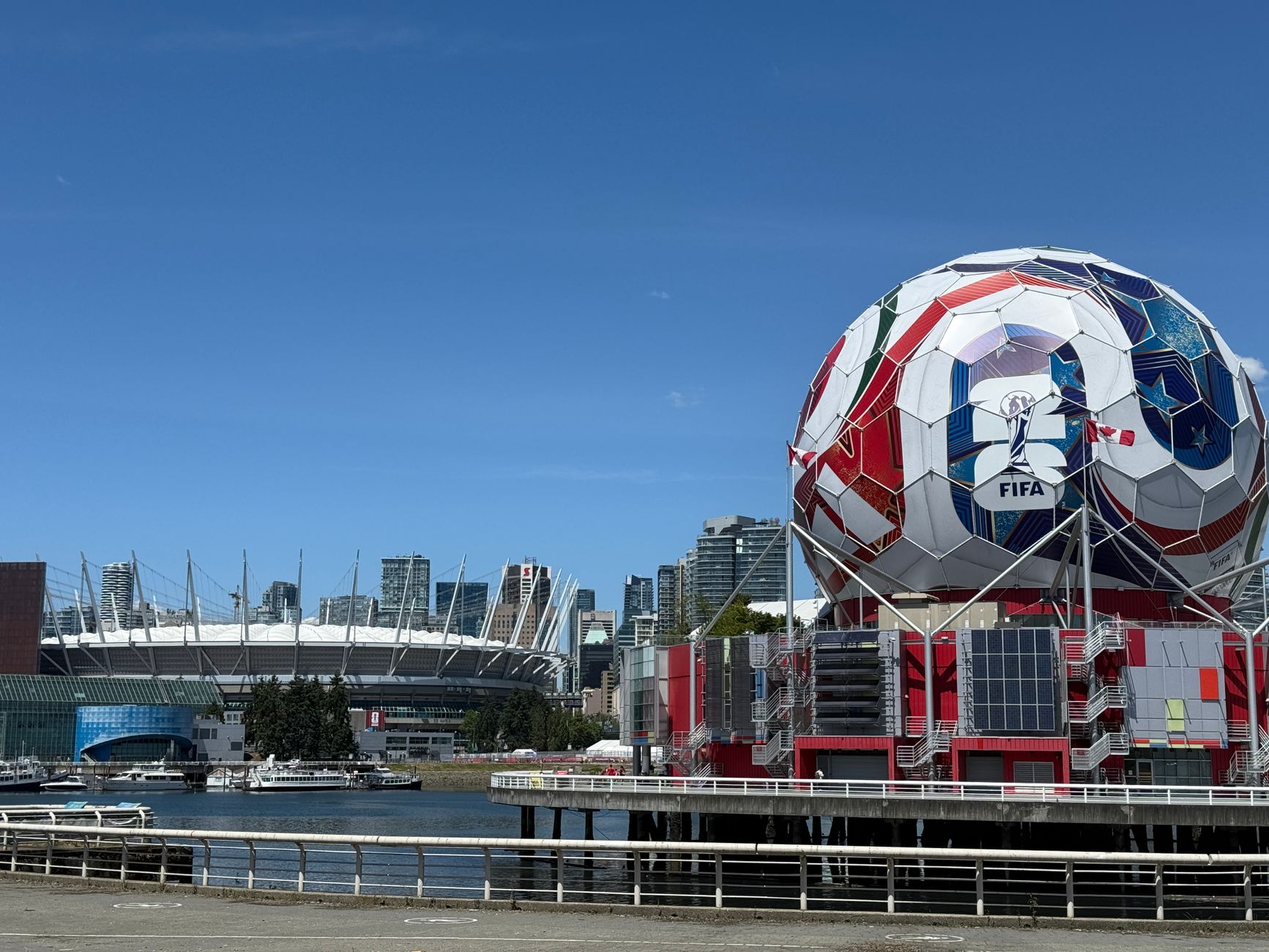
Photo by The Six on Pexels
A practical betting checklist should include:
- Do not place major bets before confirmed lineups.
- Avoid emotional bets on historic champions.
- Compare at least three markets before choosing one.
- Track travel, rest, and climate differences.
- Keep stake size consistent across the tournament.
For responsible context, review our [Internal Link: football betting bankroll management guide]. For tournament history and format background, the Encyclopaedia Britannica provides a concise reference on the World Cup’s development.
The final judgment is balanced: world cup football in 2026 offers more data, more matches, and more opportunities, but also more noise. Stadium View is useful because it turns that noise into a repeatable review process covering match predictions, team tactics, player stats, and tournament coverage. I would not use any single source as an automatic answer, but I would use Stadium View daily to challenge assumptions before placing a bet or backing a narrative.
Ready to follow the 2026 tournament with a clearer process and fewer impulse decisions?
Frequently Asked Questions
Q: What is world cup football?
A: World cup football usually refers to the FIFA World Cup, the senior men’s international football tournament organized by FIFA. It began in 1930 and is held every four years, except for interruptions during World War II. The 2026 edition will be hosted by the United States, Canada, and Mexico with 48 teams and 104 matches.
Q: How do I start analyzing World Cup football predictions?
A: Start by reviewing team form, squad fitness, tactical style, and tournament schedule before looking at odds. A practical process is to compare FIFA ranking, recent competitive results, expected goals, and lineup news. Stadium View adds daily coverage on tactics, player stats, and market movement for the 2026 World Cup.
Q: What is the difference between betting on a World Cup winner and a single match?
A: A World Cup winner bet depends on long-term bracket paths, while a single-match bet depends on immediate tactical and lineup conditions. Outright markets can be affected by injuries, suspensions, and draw difficulty over several weeks. Match betting is usually more flexible because you can react to confirmed lineups, venue conditions, and live momentum.
Q: Why do World Cup football predictions fail?
A: Predictions often fail because they overrate reputation and underrate match-specific variables. Red cards, penalties, rotation, travel fatigue, and tactical mismatches can change a game quickly. In 2026, the expanded format adds more uncertainty because more teams, venues, and travel patterns create extra variables.
Q: Is Stadium View free to use for World Cup football coverage?
A: Stadium View provides World Cup-focused content for fans following match predictions, team tactics, player stats, and tournament news. Availability may vary by feature, content type, or future product updates. The best approach is to check the site during the 2026 tournament for current coverage and access details.
Q: What should I do if my World Cup betting strategy is losing?
A: Stop increasing stakes and review whether your bets are based on evidence or emotion. Check if you are betting too early, ignoring lineups, or choosing low-value favorites because of name recognition. A safer reset is to reduce stake size, track results by market type, and focus on fewer, better-supported selections.
Thank you for reading.
Stadium View
High-Stakes Editorial · Premium Insights